Your electrical panel controls how electricity flows through your home. When the panel becomes outdated or overloaded, it can lead to safety risks and power issues. For many Rhode Island homeowners — especially those in older homes — upgrading the electrical panel is often necessary to support modern appliances, HVAC systems, and home technology.
Superior Comfort is proud to serve Bristol and communities across Rhode Island with reliable heating, cooling, plumbing, and electrical services focused on your home’s comfort and safety. Understanding when an electrical panel upgrade is needed can help homeowners avoid electrical hazards and keep their homes running smoothly.
This guide explains how electrical panels work, signs it may be time for an upgrade, and what homeowners can expect during the installation process.
What an Electrical Panel Does
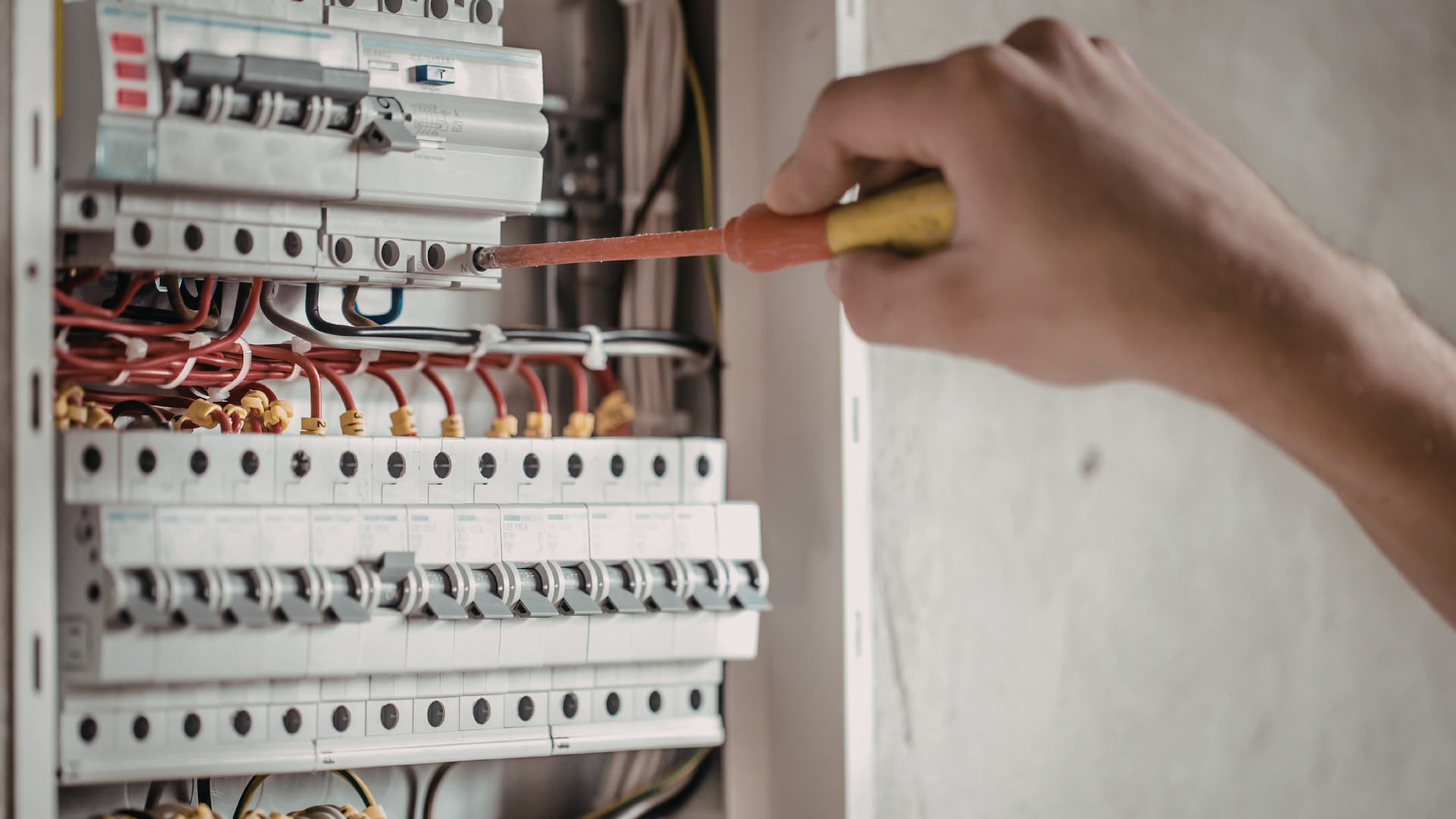
The electrical panel is the central hub of your home’s electrical system. It receives power from the utility company and distributes it to circuits throughout the house.
Each circuit supplies electricity to specific areas or appliances, such as:
- Lighting fixtures
- Outlets
- Kitchen appliances
- HVAC systems
- Laundry equipment
Circuit breakers inside the panel monitor the electrical flow. If a circuit becomes overloaded or shorted, the breaker shuts off power to prevent overheating or electrical fires.
Why Electrical Panels Need Upgrading
Electrical panels are designed to handle a specific amount of electrical capacity. Older homes were built with far lower electrical demands than modern households require today.
Several factors increase the need for panel upgrades:
- Additional appliances and electronics
- Modern HVAC equipment
- Electric vehicle charging stations
- Home offices and computer equipment
- Smart home devices
As power usage grows, an outdated panel may no longer provide adequate electrical capacity.
Electrical Panels in Older Rhode Island Homes
Many homes in Rhode Island were built before modern electrical standards existed. Panels installed decades ago may only support 60 or 100 amps of electrical service.
Today, most homes require at least:
- 150-amp service
- 200-amp service for larger homes
Older electrical systems often struggle to meet current power demands.
Common outdated panels found in older homes include:
- Fuse boxes instead of circuit breakers
- Panels manufactured several decades ago
- Panels that have reached maximum circuit capacity
Upgrading the panel improves safety and reliability.
Signs You May Need an Electrical Panel Upgrade
Electrical panels often show warning signs before they fail. Recognizing these signs early can prevent electrical hazards.
Common indicators include:
- Circuit breakers frequently tripping
- Lights dimming when appliances start
- Burning smells near the electrical panel
- Warm or buzzing panel surfaces
- Limited space for additional circuits
These symptoms often indicate that the panel is overloaded or deteriorating.
Adding New Appliances Can Overload Older Panels
Many modern appliances require significant electrical capacity.
Examples include:
- Heat pumps
- Central air conditioning systems
- Electric ranges
- Tankless water heaters
- EV charging stations
If your home’s electrical panel cannot support these devices, an upgrade may be required before installation.
Panel Upgrades and HVAC Systems
Electrical panel capacity is especially important for heating and cooling systems.
Many modern HVAC systems rely on dedicated electrical circuits. Heat pumps, air conditioners, and electric furnaces require sufficient electrical supply to operate safely.
If the panel cannot support the new equipment, HVAC installation may not be possible until the panel is upgraded.
What Happens During an Electrical Panel Upgrade
Electrical panel upgrades involve replacing the existing panel with a modern unit capable of handling greater electrical demand.
The process typically includes:
- Disconnecting power from the existing panel
- Removing the outdated panel and breakers
- Installing a new electrical panel
- Connecting circuits to the new breaker system
- Restoring power and testing the system
Licensed electricians ensure that the installation meets current electrical codes.
How Long Panel Upgrades Take
Most residential panel upgrades can be completed within a single day.
However, the timeline may vary depending on factors such as:
- The complexity of the existing wiring
- Whether new circuits need to be installed
- Local permit requirements
In some cases, utility companies may need to temporarily disconnect service during the upgrade.
Safety Improvements With Modern Electrical Panels
Upgrading the panel improves several aspects of electrical safety.
Modern panels include features such as:
- Circuit breakers with improved protection
- Ground fault protection
- Arc fault protection for fire prevention
These features help reduce the risk of electrical hazards inside the home.
Increased Electrical Capacity for Modern Living
A new electrical panel allows homeowners to safely power modern devices and appliances.
Benefits include:
- More available circuits
- Stable power supply throughout the home
- Support for future electrical upgrades
This flexibility is particularly important for homeowners planning renovations or technology upgrades.
Electrical Panel Upgrades and Home Value
Electrical upgrades can also increase a home’s value.
Many buyers look for homes with updated electrical systems because they provide:
- Improved safety
- Compatibility with modern appliances
- Lower risk of electrical problems
Upgrading the panel can make a home more attractive to potential buyers.
Preparing for an Electrical Panel Upgrade
Before installation begins, electricians typically inspect the home’s electrical system.
The inspection evaluates:
- Existing wiring condition
- Electrical demand throughout the home
- Available circuit capacity
This evaluation ensures the new panel will meet current and future electrical needs.
Permits and Inspections for Panel Upgrades
Electrical panel upgrades typically require permits from local authorities.
Permits ensure the work complies with Rhode Island electrical codes and safety standards.
After installation, the system may be inspected to verify that the upgrade was completed properly.
Coordinating Panel Upgrades With Other Home Improvements
Many homeowners upgrade electrical panels when completing other renovations.
Panel upgrades often accompany projects such as:
- Kitchen remodels
- HVAC system installation
- EV charger installation
- Home additions
Completing the upgrade during these projects ensures the electrical system can support new equipment.
Preventing Electrical Problems Through Maintenance
While electrical panels require little routine maintenance, periodic inspections can identify potential problems early.
Homeowners should watch for:
- Loose breakers
- Corrosion or rust in the panel
- Overloaded circuits
If these issues appear, professional electrical service may be needed.
Frequently Asked Questions About Electrical Panel Upgrades
How long does an electrical panel last?
Most panels last between 25 and 40 years before replacement may be recommended.
Can I upgrade my panel without replacing wiring?
In many cases, yes. However, older wiring systems may also require updates.
Will I lose power during the upgrade?
Yes. Power is temporarily disconnected while the new panel is installed.
Protecting Your Home With a Modern Electrical Panel
Your electrical panel plays a vital role in keeping your home powered safely. As electrical demands continue to increase, upgrading outdated panels helps prevent overloaded circuits, improves safety, and supports modern technology.
For Rhode Island homeowners, especially those living in older properties, a panel upgrade can be one of the most valuable electrical improvements you can make.
When it comes to keeping your home comfortable, Rhode Island families trust Superior Comfort. Schedule your appointment with Superior Comfort — we’re here when you need us most.
Superior Comfort Specials
What Our Customers Say About Us
Anthony Brooks and Paul were amazing! They did everything in their power to be fair and give me what I wanted. Great customer service and would recommend.
Show More
Wilson Perez Jr
Very easy to work with. Doug was timely and thorough which I appreciated very much
Show More
Rosanna Thacke
David was wonderful.
Show More
Sandra Johnson
Technician was, really friendly and knowledgeable. Great experience.
Show More
RJ Wood
Thank you, Bill for your professionalism and time today as we continue to navigate our issues and decisions moving forward. I appreciate your patience and time listening to our concerns and questions. Keep up the great work.
Show More
John Ryan
We were having a problem with our air conditioner and we reached out this morning and the repair was completed by this afternoon. Our service tech Alex was so very helpful explaining exactly what was wrong and getting the repair done.
Show More
Dianna Lotito
Very professional and personable! Explained what he was doing very clearly!
Show More
John Lawlor
Patrick was timely and efficient. He explained what issues he saw with pictures and options for taking care of them. He got right to work on cleaning the condensers for us. It was a bit pricey compared to other states, but Superior had the best service contract in the area with the fastest service.
Show More
Rachel Mundell
Patrick, our technician, was polite, punctual and professional. He was quick to diagnose the problem and was able to return the same day with the necessary parts to fix our air conditioning. He did an excellent job!
Show More
Linda D
We had a great experience with Gerkin Bibieca from superior comfory today. He was prompt, professional, and friendly, answered all our questions, explained everything clearly, and provided a detailed quote without any pressure. We signed up for the membership because it offered great value. After another HVAC company rescheduled and failed to show up, it was a relief to work with someone reliable, knowledgeable, and efficient. We were very impressed and highly recommend him and superior comfort!
Show More
Meredith Weiss
Mike was extremely professional and patient with all my questions. He thoroughly explained all my options and fixed my issues promptly.
Show More
Kaxxxie
This is our first time using this company. They are professional company with great communication. The technician Gerkin was courteous and knowledgeable. We will be using their services again!
Show More
Donna Lapointe
Patrick was professional and courteous.
Show More
laurent bissonnette
Quick service. Very good service technician. Giovanni would be again welcomed in our home. Very thorough inspection of our HVAC.
Show More
Ralph Manzi
Kyle’s thorough attention to detail and exceptional workmanship are truly appreciated. His hard work, professionalism, and dedication to ensuring customer satisfaction are outstanding. He goes above and beyond to deliver quality results, making the entire experience smooth and reassuring. It’s clear he takes great pride in his work, and it shows in every aspect of the job. Highly recommended!
Show More
stacey aubin

FLEXIBLE FINANCING OPTIONS
Get the comfort you need without the upfront cost. We offer easy and affordable payment plans to fit your budget.