
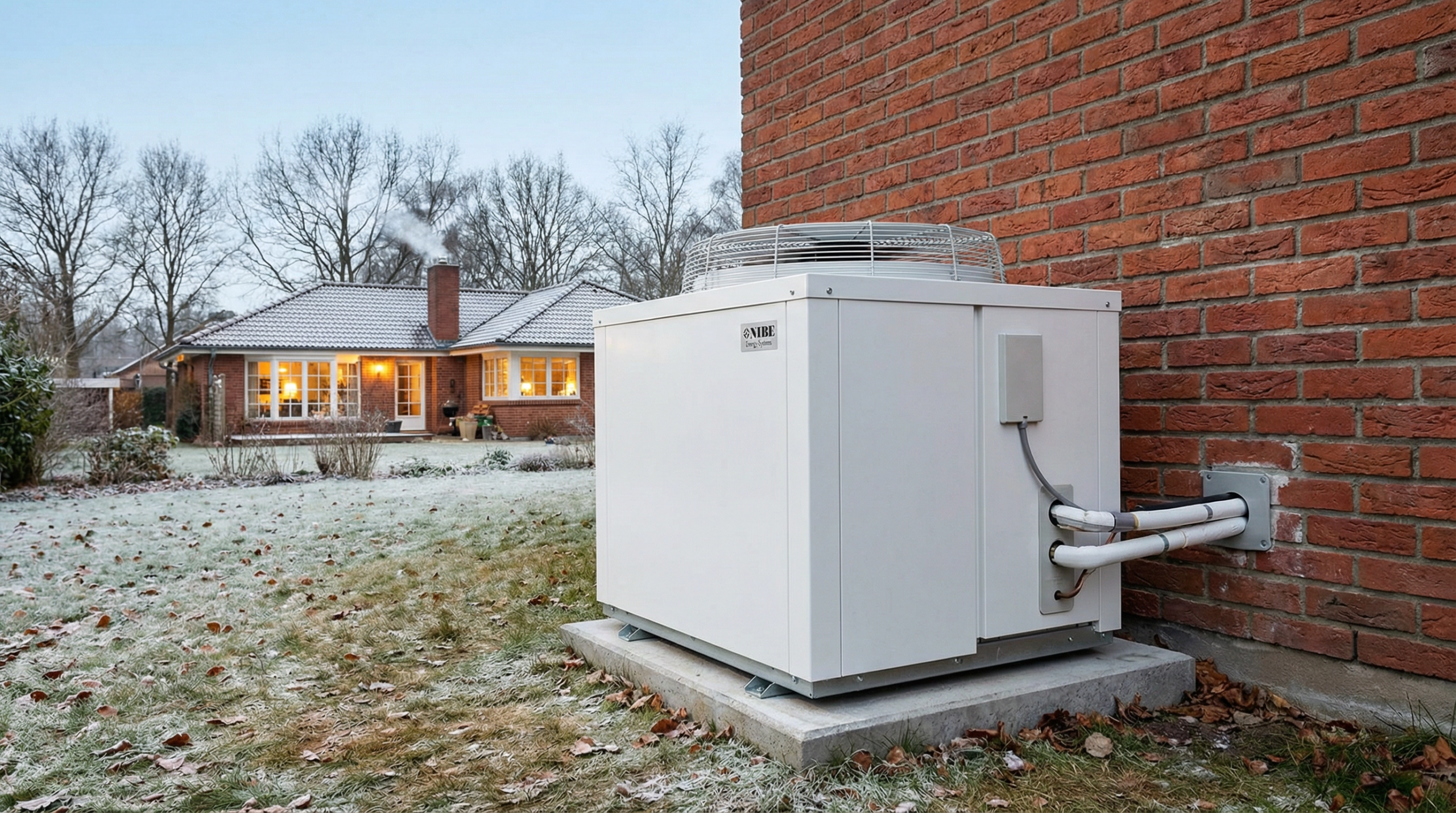
Cold winters are a fact of life in Rhode Island and Southern Massachusetts. When temperatures dip into the teens, coastal winds pick up, and older homes struggle to hold heat, homeowners naturally question whether newer heating technology can truly keep up. One of the most common questions Superior Comfort hears is simple and honest: Are heat pumps really efficient in New England winters, or do they fall short when you need them most?
Thanks to major advancements in cold-climate technology, today’s heat pumps are performing far better than many homeowners expect. Below, we’ll break down how modern heat pumps work in winter, what real homeowners across Bristol County are experiencing, and how to decide whether a heat pump makes sense for your home.
Why Heat Pump Performance in Winter Is Such a Big Concern Locally
New England winters create a unique challenge for any heating system. Homes in Bristol, Warren, Barrington, and surrounding communities often face:
- Long stretches of freezing temperatures
- High winds that increase heat loss
- Older construction with limited insulation
- Layouts not originally designed for modern HVAC
For years, heat pumps had a reputation for struggling in cold climates. Earlier models simply weren’t built to extract enough heat from frigid outdoor air. That history still shapes homeowner skepticism today.
The reality in 2026 looks very different.
Why Heat Pump Performance in Winter Is Such a Big Concern Locally
New England winters create a unique challenge for any heating system. Homes in Bristol, Warren, Barrington, and surrounding communities often face:
- Long stretches of freezing temperatures
- High winds that increase heat loss
- Older construction with limited insulation
- Layouts not originally designed for modern HVAC
For years, heat pumps had a reputation for struggling in cold climates. Earlier models simply weren’t built to extract enough heat from frigid outdoor air. That history still shapes homeowner skepticism today.
The reality in 2026 looks very different.
How Modern Heat Pumps Work in Cold Weather
A heat pump doesn’t generate heat the way a furnace or boiler does. Instead, it moves heat from one place to another. Even when it’s cold outside, there is still thermal energy in the air.
Cold-climate heat pumps are designed to:
- Extract heat efficiently at temperatures well below freezing
- Adjust output automatically as outdoor conditions change
- Maintain consistent indoor temperatures rather than short, intense heat cycles
Advanced compressors, variable-speed motors, and improved refrigerants allow today’s systems to operate reliably in conditions that would have shut down older models.
What “Cold-Climate” Heat Pumps Actually Mean
Not all heat pumps are created equal. Systems rated for cold climates are specifically engineered for regions like Rhode Island and Southern Massachusetts.
These systems typically:
- Maintain heating capacity at temperatures as low as 5°F or lower
- Continue operating (with reduced output) even in subzero conditions
- Use inverter-driven technology for steady performance
Choosing a cold-climate model is one of the most important factors in winter efficiency. This is where professional guidance matters — installing the wrong system can lead to poor performance and higher costs.
What Local Homeowners Are Seeing in Real Life
Homeowners across the greater Rhode Island area are already living with heat pumps through full winters, and their experiences tell a consistent story.
Many report:
- More even heat throughout the home
- Fewer cold spots compared to forced-air furnaces
- Lower overall energy bills, especially when replacing oil or propane
- Quieter operation than traditional heating systems
Ductless mini-split heat pumps are particularly popular in older homes where ductwork is limited or nonexistent. Zoned heating allows homeowners to control comfort room by room, which reduces wasted energy.
How Heat Pumps Compare to Oil, Propane, and Gas Systems
Efficiency comparisons often depend on fuel type and usage habits, but some trends are clear.
Oil Heating
Oil systems produce strong heat, but they:
- Require regular fuel deliveries
- Fluctuate with oil prices
- Often heat unevenly
Many homeowners switching from oil notice steadier comfort and reduced long-term costs with heat pumps.
Propane Systems
Propane offers cleaner combustion than oil, but fuel prices can still fluctuate significantly. Heat pumps eliminate combustion entirely and reduce exposure to price volatility.
Natural Gas
Gas furnaces are efficient, but they still rely on fossil fuels. In areas without gas lines, heat pumps are often the most efficient electric alternative available.
Do Heat Pumps Need Backup Heat in New England?
This is one of the most important questions homeowners ask — and the answer depends on the home.
Some heat pump systems are designed as:
- All-electric solutions, capable of handling most winter conditions
- Hybrid systems, which pair a heat pump with a boiler or furnace for extreme cold
Hybrid setups are common in older Rhode Island homes with existing boilers. The heat pump handles most heating needs, while the boiler only runs during the coldest periods.
This approach balances efficiency, comfort, and peace of mind.
How Insulation and Home Design Affect Winter Efficiency
Even the best heat pump can only perform as well as the home allows. Heat loss plays a major role in winter comfort.
Key factors include:
- Attic and wall insulation
- Window quality and air sealing
- Home layout and ceiling height
Before installing a heat pump, a proper evaluation ensures the system is sized correctly. Oversized or undersized systems can reduce efficiency and comfort.
Electrical Capacity: A Critical Piece Many Homeowners Overlook
Because heat pumps are electric, older homes may need electrical upgrades to support them safely.
Common electrical considerations include:
- Panel capacity
- Dedicated circuits
- Code compliance
Superior Comfort’s ability to handle heating, cooling, and electrical work under one roof helps homeowners avoid coordination issues and unexpected delays.
How Heat Pump Efficiency Impacts Monthly Energy Bills
While exact savings vary, many homeowners see:
- Lower total energy costs compared to oil or propane
- More predictable monthly bills
- Reduced maintenance expenses
Heat pumps operate most efficiently when maintaining steady temperatures, rather than frequent thermostat setbacks. Homeowners who adjust habits slightly often see even better results.
Are Heat Pumps Comfortable During Extreme Cold Snaps?
During the coldest days of winter, heat pumps may run longer cycles. This is normal and actually improves comfort by preventing temperature swings.
Instead of short bursts of hot air, heat pumps deliver:
- Consistent warmth
- Balanced humidity levels
- Even temperatures across rooms
When properly installed, homes remain comfortable even during extended cold spells.
Common Myths About Heat Pumps in New England
“Heat pumps don’t work below freezing.”
Modern systems are designed specifically for freezing and sub-freezing temperatures.
“They blow cold air.”
Heat pump air feels slightly cooler than furnace heat but delivers steady warmth over time.
“They’re only good for mild climates.”
Cold-climate heat pumps are now widely used throughout the Northeast.
Maintenance Matters for Winter Performance
Like any heating system, heat pumps need regular maintenance to perform efficiently.
Routine service helps:
- Maintain efficiency in cold weather
- Prevent unexpected breakdowns
- Extend system lifespan
Heat pump maintenance is generally simpler than servicing combustion-based systems, but it’s still essential.
So, Are Heat Pumps a Smart Choice for New England Winters?
For many Rhode Island and Southern Massachusetts homeowners, the answer is yes — when the system is properly selected, installed, and maintained.
Heat pumps offer:
- Reliable winter performance
- Lower operating costs
- Year-round heating and cooling
- Compatibility with rebates and incentives
The key is understanding your home’s needs and working with experienced professionals who know local conditions.
Making the Right Decision for Your Home and Your Winter Comfort
Heat pumps are no longer experimental technology in New England. They are proven systems delivering real comfort through real winters in homes just like yours. From coastal cottages to older colonial houses, homeowners are seeing dependable performance when systems are designed correctly.
If you’re considering a heat pump or wondering whether your current system is keeping up as efficiently as it should, having a knowledgeable local expert makes all the difference.
For honest guidance and reliable heating solutions tailored to Rhode Island homes, schedule your appointment with Superior Comfort — a team you can trust to keep your home comfortable all winter long.
Superior Comfort Specials
What Our Customers Say About Us
Anthony Brooks and Paul were amazing! They did everything in their power to be fair and give me what I wanted. Great customer service and would recommend.
Show More
Wilson Perez Jr
Very easy to work with. Doug was timely and thorough which I appreciated very much
Show More
Rosanna Thacke
David was wonderful.
Show More
Sandra Johnson
Technician was, really friendly and knowledgeable. Great experience.
Show More
RJ Wood
Thank you, Bill for your professionalism and time today as we continue to navigate our issues and decisions moving forward. I appreciate your patience and time listening to our concerns and questions. Keep up the great work.
Show More
John Ryan
We were having a problem with our air conditioner and we reached out this morning and the repair was completed by this afternoon. Our service tech Alex was so very helpful explaining exactly what was wrong and getting the repair done.
Show More
Dianna Lotito
Very professional and personable! Explained what he was doing very clearly!
Show More
John Lawlor
Patrick was timely and efficient. He explained what issues he saw with pictures and options for taking care of them. He got right to work on cleaning the condensers for us. It was a bit pricey compared to other states, but Superior had the best service contract in the area with the fastest service.
Show More
Rachel Mundell
Patrick, our technician, was polite, punctual and professional. He was quick to diagnose the problem and was able to return the same day with the necessary parts to fix our air conditioning. He did an excellent job!
Show More
Linda D
We had a great experience with Gerkin Bibieca from superior comfory today. He was prompt, professional, and friendly, answered all our questions, explained everything clearly, and provided a detailed quote without any pressure. We signed up for the membership because it offered great value. After another HVAC company rescheduled and failed to show up, it was a relief to work with someone reliable, knowledgeable, and efficient. We were very impressed and highly recommend him and superior comfort!
Show More
Meredith Weiss
Mike was extremely professional and patient with all my questions. He thoroughly explained all my options and fixed my issues promptly.
Show More
Kaxxxie
This is our first time using this company. They are professional company with great communication. The technician Gerkin was courteous and knowledgeable. We will be using their services again!
Show More
Donna Lapointe
Patrick was professional and courteous.
Show More
laurent bissonnette
Quick service. Very good service technician. Giovanni would be again welcomed in our home. Very thorough inspection of our HVAC.
Show More
Ralph Manzi
Kyle’s thorough attention to detail and exceptional workmanship are truly appreciated. His hard work, professionalism, and dedication to ensuring customer satisfaction are outstanding. He goes above and beyond to deliver quality results, making the entire experience smooth and reassuring. It’s clear he takes great pride in his work, and it shows in every aspect of the job. Highly recommended!
Show More
stacey aubin

FLEXIBLE FINANCING OPTIONS
Get the comfort you need without the upfront cost. We offer easy and affordable payment plans to fit your budget.