
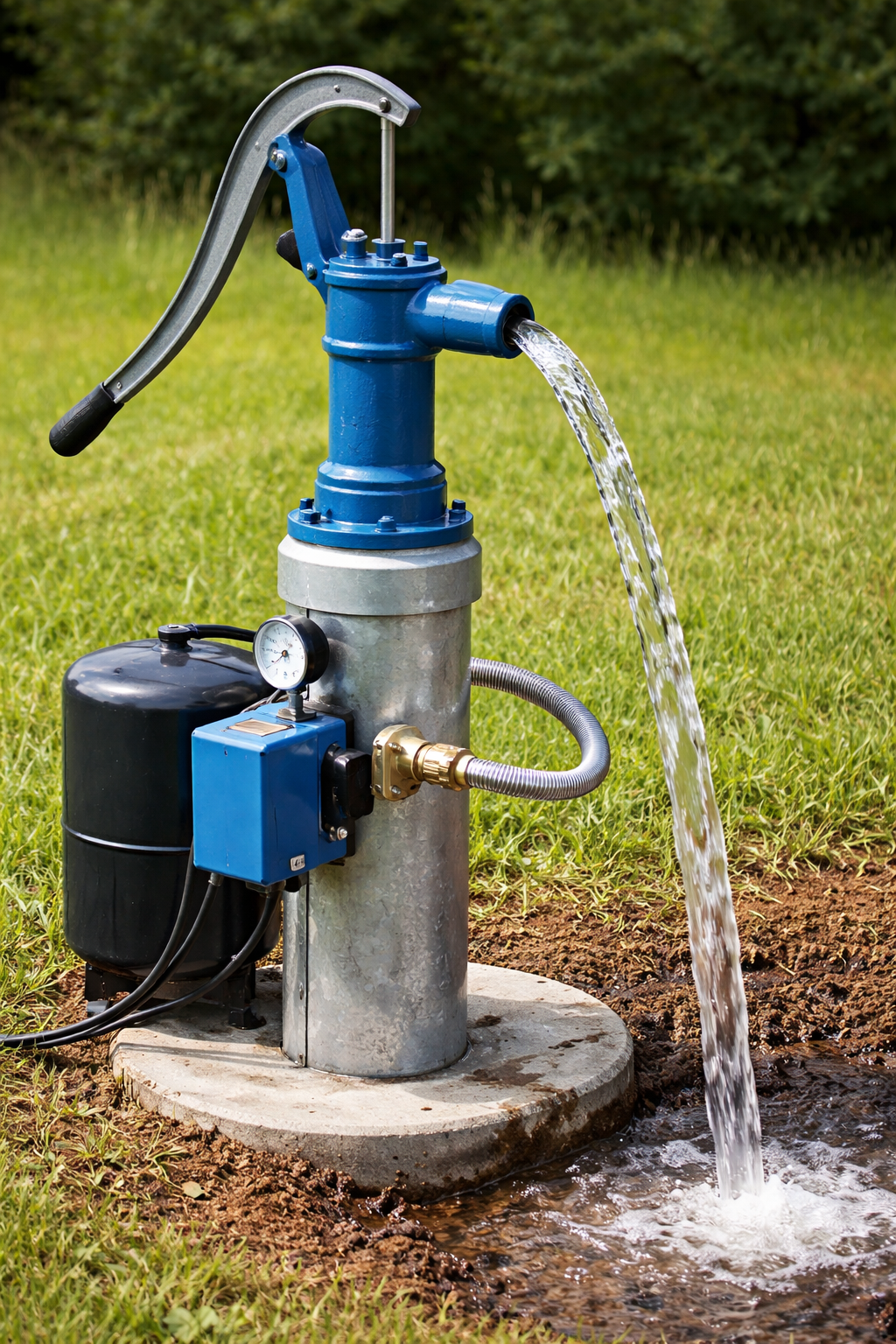
For homeowners who rely on private wells in Rhode Island and Southern Massachusetts, a reliable water supply is essential. Unlike municipal systems, well water depends entirely on equipment working properly behind the scenes. When something goes wrong with a well pump, the first sign is often sudden — no running water at all. By that point, the situation is already disruptive and potentially expensive.
The good news is that well pumps rarely fail without warning. In most cases, there are early signs that something isn’t right long before water stops flowing completely. Recognizing these signals early allows homeowners to address problems proactively, protect their plumbing systems, and avoid emergency repairs.
Superior Comfort helps homeowners throughout Bristol, Warren, Barrington, Portsmouth, Tiverton, and surrounding communities diagnose and resolve well system issues before they escalate. Here’s what every well owner should know about the early warning signs of well pump trouble.
Why Well Pump Problems Can Escalate Quickly
A well pump works every time you turn on a faucet, flush a toilet, or run an appliance. Over time, this constant use causes wear on mechanical and electrical components. Unlike many plumbing issues, well pump problems often affect the entire home at once.
Well pump failures can lead to:
- Complete loss of water
- Damage to plumbing fixtures and appliances
- Electrical issues
- Costly emergency repairs
Because your well system operates out of sight, early symptoms are easy to overlook unless you know what to watch for.
How a Well Pump System Works (and Why It Matters)
Understanding the basics of your well system helps explain why certain warning signs appear.
A typical well system includes:
- The well pump (submersible or jet pump)
- A pressure tank
- Pressure switches and controls
- Electrical components and wiring
The pump draws water from the well and sends it into the pressure tank, which stores water and regulates pressure. Problems in any part of this system can affect water flow, pressure, and reliability.
Fluctuating or Low Water Pressure
One of the most common early warning signs of well pump trouble is inconsistent water pressure.
Homeowners may notice:
- Weak water flow at faucets
- Pressure that surges and drops
- Showers that suddenly lose force
These symptoms may indicate:
- A failing pump
- A problem with the pressure tank
- Leaks in the system
- Electrical control issues
While low pressure doesn’t always mean pump failure, it should never be ignored.
Sputtering Faucets or Air in the Water Lines
If faucets sputter or release bursts of air along with water, it often points to a problem within the well system.
Possible causes include:
- A dropping water level in the well
- A leak in the suction line
- Pump wear or damage
Air in the lines can stress plumbing fixtures and may signal that the pump is struggling to maintain consistent flow.
Frequent Pump Cycling (Short Cycling)
Well pumps are designed to turn on and off at specific pressure levels. When a pump starts cycling too frequently — turning on and off repeatedly — it’s a sign something is wrong.
Short cycling can be caused by:
- A failing pressure tank
- Incorrect pressure settings
- Electrical issues
- Pump wear
Left unaddressed, short cycling dramatically shortens pump lifespan and increases energy usage.
Strange Noises Coming From the System
While many well components are out of sight, some noise may still be noticeable — especially near the pressure tank or pump controls.
Warning sounds include:
- Clicking or rapid on/off noises
- Humming or buzzing
- Loud vibrations
Unusual noises often indicate electrical problems, failing components, or pressure irregularities that require professional evaluation.
Changes in Water Quality or Clarity
A well pump issue can affect water quality as well as flow.
Homeowners may notice:
- Cloudy or muddy water
- Increased sediment
- Metallic taste or odor
These changes may occur if the pump is pulling water too aggressively or if the water table has shifted. Poor water quality can damage appliances and fixtures if left unchecked.
Spikes in Electric Bills Without Explanation
Well pumps rely on electricity to operate. When a pump begins to fail, it often runs longer or cycles more frequently, increasing energy usage.
An unexplained rise in electric bills may indicate:
- A pump struggling to maintain pressure
- Electrical inefficiencies
- Pressure system problems
Tracking energy use can provide early clues that something isn’t working as it should.
Loss of Water Pressure During Peak Usage
If water pressure drops significantly when multiple fixtures are used at once, it may point to declining pump performance.
This can happen when:
- The pump is undersized or aging
- The well yield has changed
- Pressure system components are failing
A properly functioning well system should handle normal household demand without dramatic pressure loss.
Water Pressure That Takes Too Long to Recover
After heavy water use, such as laundry or showers, pressure should return to normal quickly. Slow recovery often signals pump or pressure tank issues.
Delayed pressure recovery may indicate:
- Reduced pump output
- Pressure tank problems
- System leaks
These issues tend to worsen over time if ignored.
Intermittent Loss of Water
Temporary water outages that resolve on their own are a serious warning sign.
Intermittent issues may point to:
- Electrical connection problems
- Overheating pumps shutting down
- Failing pressure switches
What starts as a temporary inconvenience often becomes a complete failure.
Well Pump Issues in Older Homes and Systems
Many homes in Rhode Island and Southern Massachusetts rely on well systems installed decades ago. Older pumps may still function, but efficiency and reliability decline over time.
Aging systems are more prone to:
- Electrical failures
- Pressure inconsistencies
- Reduced water output
Proactive evaluation helps avoid sudden loss of service.
Seasonal Changes and Well Pump Stress
Seasonal factors can place additional stress on well systems.
Examples include:
- Drought lowering water tables
- Heavy rainfall introducing sediment
- Freezing temperatures affecting lines
Seasonal changes often reveal underlying system weaknesses.
Why Ignoring Early Signs Leads to Bigger Problems
Small well pump issues rarely resolve on their own. Ignoring early symptoms can lead to:
- Complete pump failure
- Damage to plumbing fixtures
- Emergency replacement costs
- Extended water outages
Addressing problems early is almost always more affordable and less disruptive.
What Homeowners Should Do When Warning Signs Appear
If you notice any of these symptoms:
- Avoid overusing water
- Check visible system components for leaks or damage
- Schedule a professional evaluation
Attempting DIY repairs on well systems can be dangerous due to electrical and pressure risks.
Preventive Maintenance for Well Systems
Routine maintenance helps extend pump life and improve reliability.
Professional maintenance may include:
- Pressure tank inspection
- Electrical checks
- Performance testing
- Water quality evaluation
Regular service reduces the likelihood of emergency breakdowns.
Frequently Asked Questions About Well Pump Problems
How long do well pumps typically last?
Many pumps last 8–15 years, depending on usage and maintenance.
Can pressure tank problems mimic pump failure?
Yes. Pressure tank issues often cause similar symptoms.
Is water quality testing part of pump evaluation?
Often, yes — changes in water quality can signal system problems.
Protecting Your Water Supply Starts With Paying Attention
Your well pump works quietly every day to supply your home with water. When problems arise, early warning signs are your opportunity to act before water service is interrupted.
By recognizing these signals and responding promptly, homeowners can protect their plumbing systems, appliances, and peace of mind.
If you’re noticing changes in water pressure, flow, or quality in your Rhode Island or Southern Massachusetts home, schedule your appointment with Superior Comfort for expert well and plumbing service you can trust.
Superior Comfort Specials
What Our Customers Say About Us
I called Superior for a leak. Mark showed up on time and wore the shoe covers. Mark was exceptional and professional and I am very grateful for his professionalism and work ethic. He had to dig to find the leak and he got wet in the process and acted like it was nothing. * One thing I am not a fan of is the AI customer service. That is no knock on Mark whatsoever. I just hate it when I call and I realize there will be no human. I would use Superior again and hope Mark is the contractor who shows up to do the work. Thank you.
Show More
Robert Stewart
These young men were kind ca and made me feel like they cared. Woul highly recommend this company.
Show More
mary scipione
Great customer service!!!! William explained all the work as he performed it and worked to get the job done in a timely manner. We are grateful that he was able to come within hours of calling for help from Superior Comfort. A hard worker and a very personable individual, thanks William!
Show More
Rich Coe Newport
I’m very happy with the price I paid and the service I received. Keegan did an excellent job servicing my furnace. I’m very happy with my decision to call you guys. I’m Looking forward to having my old furnace replaced in the next couple of days.
Show More
John O'Dell
Had Gee from superior comfort to work on my furnace and he did a really great job. Very nice guy. Would recommend this service.
Show More
Henara Yan
I had the pleasure of working with Gee today. He was so personable, knowledgeable, quick and efficient. It was a very positive experience. I will definitely be using Superior Comfort’s services again and asking for Gee.
Show More
Kristin Tanasio
Tech came quickly and identified the issue and solved it quickly
Show More
Karen Cordeiro
Very professional. He knows what he is doing. Will use them again.
Show More
Laurie Keenan
I called superior for the first time and Bryce Weaver and Justin came to my home to evaluated an issue with my tub! Bryce was excellent he gave me a quote to replace my damaged tub and shower but he gave me options. He was pushy he just was very thorough and he let me decide without pressure! We would definitely recommend him and the Company!
Show More
Deb Spencer
Outstanding service!!!
Show More
vicky wiseman
William Putnam was really on point, laid everything out as simple as he could and was a pleasure to work with.
Show More
Francisco Rodriguez
Great service, very good guy, friendly, professional and knowledgeable!
Show More
Patti Patterson
Austin and Charles were amazing! Recommend to anyone
Show More
Mollie Diesing
Patrick was excellent. He is very knowledgeable and kind.
Show More
Jill Jeter
Austin (Plumber) and Anthony (Electrician) did a great job installing my sump pump and the dedicated GFI outlet. They were incredibly friendly and easy to work with. The communication throughout the entire project was great. They were both beyond responsive with getting out to the house to evaluate the site and getting the job started. Really appreciate all the help guys! Happy to join the Superior team for all of our HVAC, Plumbing and Electrical needs going forward!
Show More
Ryan MacKenzie

FLEXIBLE FINANCING OPTIONS
Get the comfort you need without the upfront cost. We offer easy and affordable payment plans to fit your budget.