
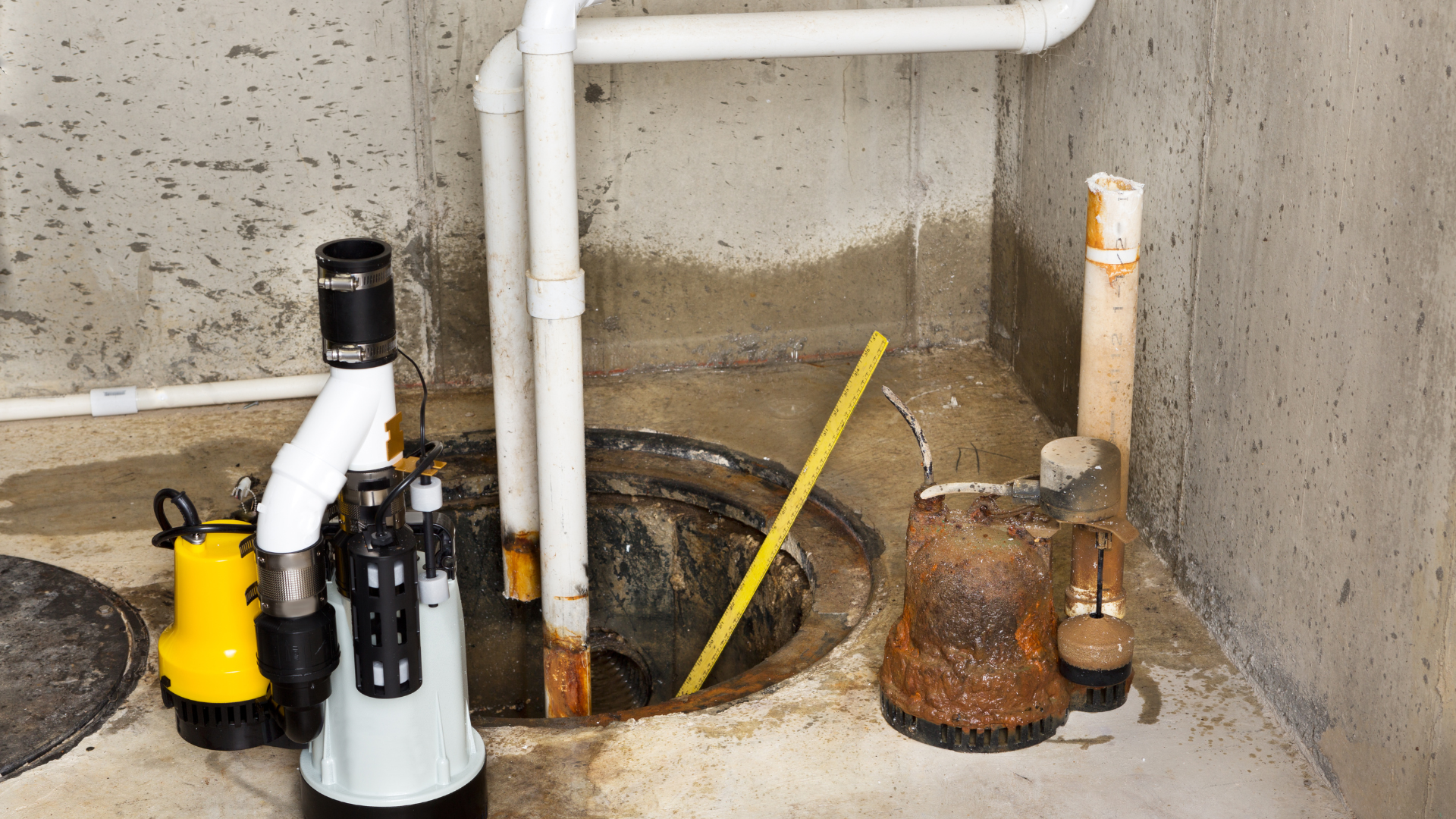
Backup Sump Pump Installation in Rhode Island: Protecting Your Home from Flooding
Basement flooding can happen quickly and without warning—especially during heavy rainstorms or power outages. In Rhode Island, where coastal storms and nor’easters are common, sump pumps play a critical role in protecting homes from water damage. But what happens if your primary sump pump fails or loses power?
Superior Comfort is proud to serve Bristol and communities across Rhode Island with reliable heating, cooling, plumbing, and electrical services focused on your home’s comfort and safety. For homeowners in Bristol, Warren, Barrington, Portsmouth, Tiverton, and surrounding areas, installing a backup sump pump is one of the most effective ways to prevent costly flooding and protect your property.
This guide explains how backup sump pumps work, why they’re important in Rhode Island homes, and what to expect during installation.
What Is a Backup Sump Pump?
A backup sump pump is a secondary system designed to activate when your primary sump pump fails or cannot keep up with water levels.
Your main sump pump typically handles normal groundwater and drainage. A backup system steps in when:
- The primary pump stops working
- Power is lost during a storm
- Water volume exceeds the main pump’s capacity
Backup systems provide an extra layer of protection, especially during severe weather events.
Why Backup Sump Pumps Are Important in Rhode Island
Rhode Island homes face unique conditions that increase the risk of basement flooding.
Frequent Storms and Heavy Rain
Nor’easters and coastal storms can bring heavy rainfall that overwhelms drainage systems. When water levels rise quickly, sump pumps must work continuously.
Power Outages During Storms
One of the biggest risks occurs when storms knock out power. Standard sump pumps rely on electricity, so they stop working during outages—exactly when they’re needed most.
High Water Tables in Coastal Areas
Homes near the coast often have higher groundwater levels, increasing the likelihood of water entering basements.
Backup sump pumps help protect homes in all of these situations.
Types of Backup Sump Pump Systems
There are two main types of backup sump pumps used in residential homes.
Battery Backup Sump Pumps
Battery backup systems are the most common type.
These systems include:
- A secondary pump installed in the sump pit
- A battery that powers the pump during outages
Advantages include:
- Automatic activation when power fails
- Reliable operation during storms
- Protection without requiring external fuel sources
Battery systems are ideal for most residential applications.
Water-Powered Backup Pumps
Water-powered sump pumps use municipal water pressure to remove water from the sump pit.
These systems:
- Do not rely on electricity
- Operate using water flow from the home’s plumbing system
They are typically used in homes with reliable municipal water supply.
However, they may use significant amounts of water during operation.
Signs You May Need a Backup Sump Pump
Not every home has a backup system, but many would benefit from one.
You may need a backup sump pump if:
- Your basement has flooded before
- You rely on a single sump pump
- You live in a flood-prone area
- Power outages are common in your area
- Your primary pump is older or frequently runs
Adding a backup system provides peace of mind during severe weather.
How Backup Sump Pumps Work
Backup sump pumps are installed alongside your primary system and remain inactive until needed.
They activate when:
- Water rises above the main pump’s capacity
- The main pump fails to operate
- Power to the primary system is lost
Once activated, the backup pump removes water from the sump pit just like the primary system.
Benefits of Installing a Backup Sump Pump
Installing a backup sump pump provides several important benefits.
Protection During Power Outages
Storm-related power outages are one of the leading causes of sump pump failure.
A battery backup system ensures:
- Continued operation without electricity
- Ongoing protection during storms
- Reduced risk of basement flooding
Preventing Costly Water Damage
Flooding can damage:
- Flooring and drywall
- Electrical systems
- HVAC equipment
- Personal belongings
A backup sump pump helps prevent these costly repairs.
Added Peace of Mind
Knowing your home is protected—even during severe weather—provides confidence and reduces stress.
Extended System Reliability
Backup systems reduce strain on the primary pump by assisting during high water volume situations.
The Backup Sump Pump Installation Process
Professional installation ensures the system operates reliably when needed.
Step 1: Evaluating the Existing Sump Pump System
Technicians inspect the current sump pump and sump pit to determine compatibility.
They assess:
- Pump condition and capacity
- Pit size and configuration
- Drainage system performance
Step 2: Installing the Backup Pump
The backup pump is installed in the same sump pit or in a connected secondary pit.
Proper placement ensures:
- Efficient water removal
- Seamless operation with the primary pump
Step 3: Installing the Battery System
For battery backup systems, a battery unit is installed nearby.
This unit:
- Stores power for emergency operation
- Automatically activates when power is lost
Step 4: Connecting Discharge Lines
The backup pump is connected to a discharge line that directs water away from the home.
Proper discharge ensures:
- Water is safely removed from the foundation
- No backflow occurs
Step 5: System Testing
After installation, technicians test the system to confirm:
- Automatic activation
- Proper water removal
- Battery functionality
Testing ensures the system is ready for real-world conditions.
Maintenance for Backup Sump Pumps
Regular maintenance helps ensure backup systems function properly when needed.
Recommended maintenance includes:
- Testing the system periodically
- Checking battery charge levels
- Inspecting discharge lines for blockages
- Replacing batteries every few years
Routine checks help prevent unexpected failures.
Backup Sump Pumps and Whole-Home Protection
Sump pumps are part of a broader home protection strategy.
They often work alongside:
- Drainage systems around the foundation
- Dehumidifiers to control moisture
- Electrical systems that power sump pumps
Ensuring all systems work together helps protect the home from water damage.
Common Causes of Sump Pump Failure
Understanding why sump pumps fail helps homeowners see the value of a backup system.
Common causes include:
- Power outages
- Mechanical failure
- Float switch malfunctions
- Overwhelming water volume
A backup pump ensures protection when these failures occur.
Cost Factors for Backup Sump Pump Installation
The cost of installing a backup sump pump depends on:
- Type of system (battery or water-powered)
- Existing sump pump setup
- Installation complexity
- Battery capacity
Professional installation ensures the system performs reliably.
Backup Sump Pumps in Finished Basements
Homes with finished basements are especially vulnerable to water damage.
Flooding can affect:
- Flooring and carpeting
- Furniture and personal items
- Electrical outlets and wiring
Backup sump pumps are a valuable investment for protecting finished spaces.
Frequently Asked Questions About Backup Sump Pumps
How long do battery backup systems last during an outage?
Most systems can operate for several hours, depending on battery capacity and water volume.
Can I install a backup sump pump myself?
Professional installation is recommended to ensure proper setup and reliability.
How often should the system be tested?
Testing a few times per year helps confirm proper operation.
Protecting Your Home From Unexpected Flooding
Basement flooding can happen when you least expect it, especially during severe weather or power outages. A backup sump pump provides reliable protection when your primary system cannot keep up.
For Rhode Island homeowners, installing a backup sump pump is a practical way to protect your home, prevent water damage, and maintain peace of mind during storms.
When it comes to keeping your home comfortable, Rhode Island families trust Superior Comfort. Call Superior Comfort today for reliable home service you can trust.
Superior Comfort Specials
What Our Customers Say About Us
Anthony Brooks and Paul were amazing! They did everything in their power to be fair and give me what I wanted. Great customer service and would recommend.
Show More
Wilson Perez Jr
Very easy to work with. Doug was timely and thorough which I appreciated very much
Show More
Rosanna Thacke
David was wonderful.
Show More
Sandra Johnson
Technician was, really friendly and knowledgeable. Great experience.
Show More
RJ Wood
Thank you, Bill for your professionalism and time today as we continue to navigate our issues and decisions moving forward. I appreciate your patience and time listening to our concerns and questions. Keep up the great work.
Show More
John Ryan
We were having a problem with our air conditioner and we reached out this morning and the repair was completed by this afternoon. Our service tech Alex was so very helpful explaining exactly what was wrong and getting the repair done.
Show More
Dianna Lotito
Very professional and personable! Explained what he was doing very clearly!
Show More
John Lawlor
Patrick was timely and efficient. He explained what issues he saw with pictures and options for taking care of them. He got right to work on cleaning the condensers for us. It was a bit pricey compared to other states, but Superior had the best service contract in the area with the fastest service.
Show More
Rachel Mundell
Patrick, our technician, was polite, punctual and professional. He was quick to diagnose the problem and was able to return the same day with the necessary parts to fix our air conditioning. He did an excellent job!
Show More
Linda D
We had a great experience with Gerkin Bibieca from superior comfory today. He was prompt, professional, and friendly, answered all our questions, explained everything clearly, and provided a detailed quote without any pressure. We signed up for the membership because it offered great value. After another HVAC company rescheduled and failed to show up, it was a relief to work with someone reliable, knowledgeable, and efficient. We were very impressed and highly recommend him and superior comfort!
Show More
Meredith Weiss
Mike was extremely professional and patient with all my questions. He thoroughly explained all my options and fixed my issues promptly.
Show More
Kaxxxie
This is our first time using this company. They are professional company with great communication. The technician Gerkin was courteous and knowledgeable. We will be using their services again!
Show More
Donna Lapointe
Patrick was professional and courteous.
Show More
laurent bissonnette
Quick service. Very good service technician. Giovanni would be again welcomed in our home. Very thorough inspection of our HVAC.
Show More
Ralph Manzi
Kyle’s thorough attention to detail and exceptional workmanship are truly appreciated. His hard work, professionalism, and dedication to ensuring customer satisfaction are outstanding. He goes above and beyond to deliver quality results, making the entire experience smooth and reassuring. It’s clear he takes great pride in his work, and it shows in every aspect of the job. Highly recommended!
Show More
stacey aubin

FLEXIBLE FINANCING OPTIONS
Get the comfort you need without the upfront cost. We offer easy and affordable payment plans to fit your budget.