
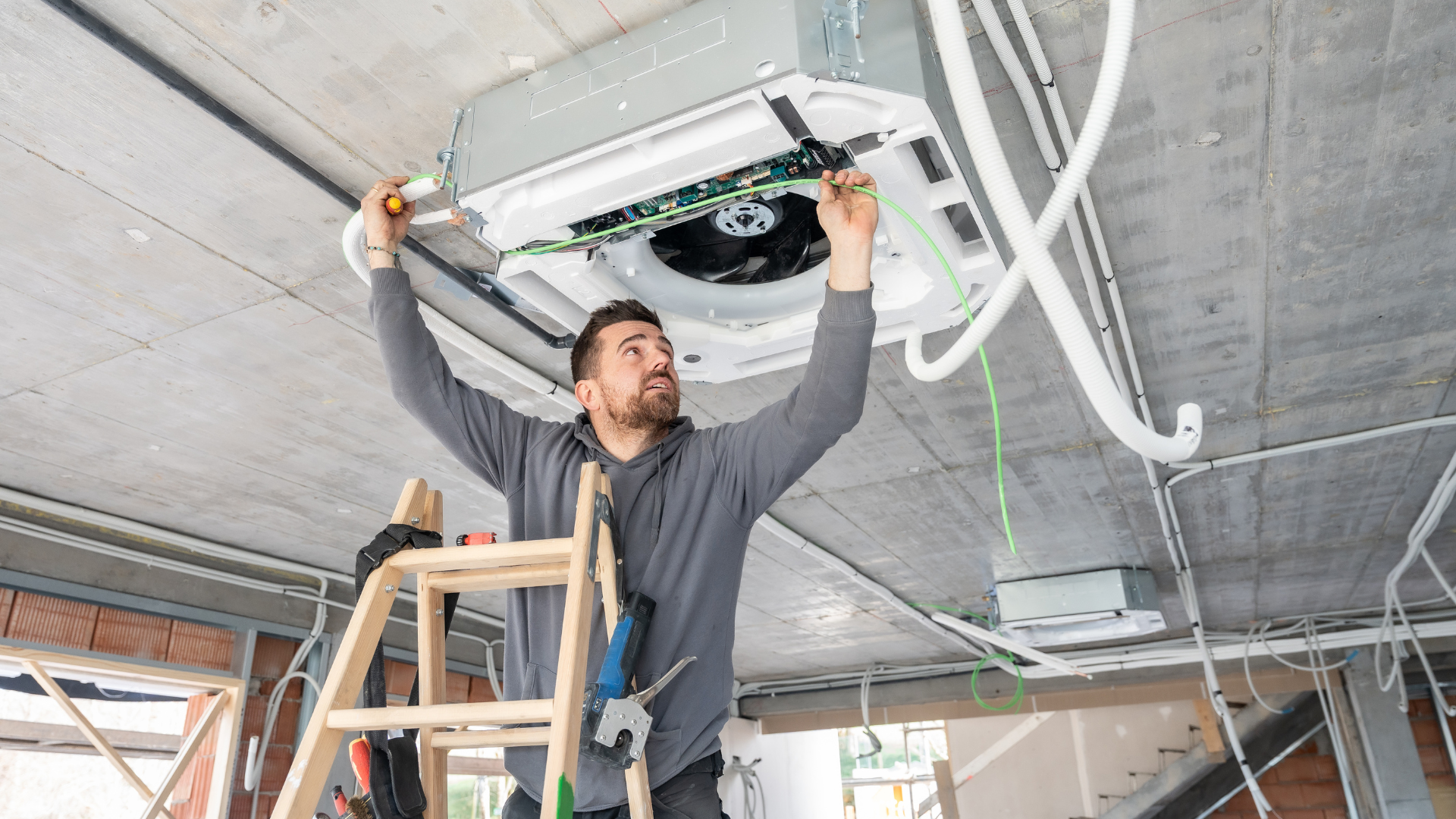
HVAC UV Light Installation in Rhode Island: Cleaner Air, Healthier Homes, and Better System Performance
Indoor air quality plays a major role in your home’s comfort and overall health. While many homeowners focus on temperature control, the air moving through your HVAC system can carry dust, mold, bacteria, and other contaminants. In Rhode Island homes—where humidity, seasonal changes, and tightly sealed construction are common—these issues can build up quickly.
Superior Comfort is proud to serve Bristol and communities across Rhode Island with reliable heating, cooling, plumbing, and electrical services focused on your home’s comfort and safety. For homeowners in Bristol, Warren, Barrington, Portsmouth, Tiverton, and surrounding areas, HVAC UV light installation is a practical way to improve air quality and protect your system.
This guide explains how HVAC UV lights work, where they’re installed, and why they are becoming a popular upgrade for Rhode Island homeowners.
What Is an HVAC UV Light System?
An HVAC UV light is a specialized device installed inside your heating and cooling system that uses ultraviolet (UV-C) light to neutralize biological contaminants.
UV-C light targets microorganisms such as:
- Mold spores
- Bacteria
- Viruses
- Mildew
When exposed to UV-C light, these organisms cannot reproduce or spread. Over time, this helps reduce the number of airborne contaminants circulating through your home.
Unlike portable air purifiers, UV lights work directly inside your HVAC system, treating air as it moves through ductwork.
Why Indoor Air Quality Is a Concern in Rhode Island Homes
Rhode Island’s climate creates conditions where indoor air quality issues can develop more easily.
Winter Conditions
During winter months:
- Homes are tightly sealed to retain heat
- Fresh air circulation is limited
- Indoor pollutants become trapped
This can lead to stale air and increased allergen buildup.
Summer Humidity
During summer:
- Coastal humidity levels rise
- Moisture collects inside HVAC systems
- Mold and bacteria growth becomes more likely
Air conditioning systems create condensation, especially around evaporator coils, making them a common source of microbial growth.
Older Homes and Ventilation Challenges
Many homes in Bristol and surrounding areas are older and may have:
- Less efficient ventilation systems
- Older ductwork
- Areas where moisture can accumulate
These factors can contribute to reduced indoor air quality.
How HVAC UV Lights Work Inside Your System
UV light systems are installed inside HVAC units where they continuously shine on key components or passing airflow.
There are two main types of UV installations:
Coil Sterilization Systems
These UV lights are placed near the evaporator coil inside the air handler.
The evaporator coil is a common location for moisture buildup, which can lead to mold growth.
UV lights help by:
- Preventing mold from forming on coils
- Killing bacteria before it spreads
- Keeping system components clean
Cleaner coils also improve airflow and system efficiency.
Air Sterilization Systems
These systems are installed in the ductwork and treat the air as it passes through.
They help reduce:
- Airborne bacteria
- Mold spores
- Odors caused by biological contaminants
Air sterilization systems are often used alongside high-efficiency filters for maximum effect.
Key Benefits of HVAC UV Light Installation
UV light systems offer several benefits that go beyond basic air filtration.
Improved Indoor Air Quality
UV lights reduce biological contaminants in your HVAC system, which can lead to cleaner air throughout the home.
This may help:
- Reduce allergy symptoms
- Improve respiratory comfort
- Minimize indoor odors
For households with children, pets, or allergy sensitivities, this can make a noticeable difference.
Mold Prevention Inside HVAC Systems
Moisture inside HVAC systems creates an ideal environment for mold growth.
UV lights help prevent mold from developing on:
- Evaporator coils
- Drain pans
- Internal system surfaces
This reduces the likelihood of mold spores circulating through the home.
Increased HVAC Efficiency
A clean HVAC system operates more efficiently.
When coils and components are free of buildup:
- Airflow improves
- The system doesn’t have to work as hard
- Energy consumption may decrease
This can lead to better performance and lower operating costs.
Reduced Maintenance Needs
While routine maintenance is still necessary, UV lights help reduce the accumulation of biological contaminants.
This can result in:
- Less frequent deep cleaning
- Improved system reliability
- Longer intervals between service visits
Over time, this contributes to a more efficient system.
Who Should Consider Installing UV Lights?
While UV lights can benefit most homes, certain households see the greatest impact.
UV light installation is especially useful for:
- Homes with allergy or asthma concerns
- Households with pets
- Homes in humid coastal areas
- Families sensitive to indoor air quality issues
- Older homes with limited ventilation
These systems provide an added layer of protection against airborne contaminants.
Can UV Lights Be Added to Existing HVAC Systems?
Yes, most existing HVAC systems can accommodate UV light installation.
Professional technicians evaluate:
- System layout and size
- Air handler design
- Available installation space
- Airflow direction
Because UV lights are installed inside the system, they do not require major modifications to the home.
The HVAC UV Light Installation Process
Professional installation ensures the UV system is positioned correctly and operates safely.
Step 1: System Evaluation
Technicians inspect the HVAC system to determine the best placement for the UV light.
They assess:
- Coil location
- Duct layout
- System accessibility
This ensures maximum effectiveness.
Step 2: Installing the UV Light Unit
The UV light is mounted inside the air handler or ductwork.
Placement is critical because the light must directly target:
- Moisture-prone areas
- Airflow paths
Proper positioning ensures optimal performance.
Step 3: Electrical Connection
UV lights require a power source.
Licensed professionals:
- Connect the unit to the system’s electrical supply
- Ensure safe voltage levels
- Follow Rhode Island electrical codes
This step ensures safe and reliable operation.
Step 4: Testing the System
After installation, the system is tested to confirm:
- The UV light is functioning properly
- The HVAC system airflow remains unaffected
- All electrical connections are secure
Testing ensures everything is working as expected.
Maintenance Requirements for UV Lights
UV lights require minimal upkeep, but periodic maintenance is important.
Typical maintenance includes:
- Replacing bulbs every 12–24 months
- Checking system performance during HVAC tune-ups
- Inspecting electrical connections
Over time, UV bulbs lose intensity, so replacement ensures continued effectiveness.
UV Lights vs Traditional Air Filters
UV lights and air filters serve different purposes but work best together.
Air filters:
- Capture dust, pollen, and debris
UV lights:
- Neutralize biological contaminants
Combining both systems provides more comprehensive air quality protection.
Energy Usage of HVAC UV Lights
UV light systems use a small amount of electricity and have minimal impact on energy bills.
In many cases, improved HVAC efficiency helps offset the energy usage of the UV system.
UV Lights and Whole-Home Comfort
Indoor air quality directly affects comfort levels inside the home.
Cleaner air can help:
- Reduce odors
- Improve breathing conditions
- Maintain a fresher indoor environment
For Rhode Island homeowners dealing with seasonal humidity or allergens, UV lights contribute to a more comfortable living space.
Cost Considerations for UV Light Installation
The cost of HVAC UV light installation varies depending on:
- Type of system installed
- HVAC system configuration
- Installation location
Professional installation ensures the system performs effectively and safely.
Frequently Asked Questions About HVAC UV Lights
Do UV lights remove dust from the air?
No. UV lights target biological contaminants, while filters capture dust and debris.
How long do UV bulbs last?
Most bulbs need replacement every one to two years.
Are UV lights safe to use in homes?
Yes. When installed properly inside HVAC systems, UV lights are not exposed to living spaces.
A Simple Upgrade for Cleaner Air and Better HVAC Performance
HVAC UV light installation is a straightforward upgrade that can improve indoor air quality and help your heating and cooling system perform more efficiently. By targeting mold, bacteria, and other contaminants at the source, UV lights provide ongoing protection inside your HVAC system.
For Rhode Island homeowners, especially those dealing with humidity, allergies, or older HVAC systems, UV lights offer a practical way to improve comfort and air quality year-round.
When it comes to keeping your home comfortable, Rhode Island families trust Superior Comfort. Schedule your appointment with Superior Comfort — we’re here when you need us most.
Superior Comfort Specials
What Our Customers Say About Us
Anthony Brooks and Paul were amazing! They did everything in their power to be fair and give me what I wanted. Great customer service and would recommend.
Show More
Wilson Perez Jr
Very easy to work with. Doug was timely and thorough which I appreciated very much
Show More
Rosanna Thacke
David was wonderful.
Show More
Sandra Johnson
Technician was, really friendly and knowledgeable. Great experience.
Show More
RJ Wood
Thank you, Bill for your professionalism and time today as we continue to navigate our issues and decisions moving forward. I appreciate your patience and time listening to our concerns and questions. Keep up the great work.
Show More
John Ryan
We were having a problem with our air conditioner and we reached out this morning and the repair was completed by this afternoon. Our service tech Alex was so very helpful explaining exactly what was wrong and getting the repair done.
Show More
Dianna Lotito
Very professional and personable! Explained what he was doing very clearly!
Show More
John Lawlor
Patrick was timely and efficient. He explained what issues he saw with pictures and options for taking care of them. He got right to work on cleaning the condensers for us. It was a bit pricey compared to other states, but Superior had the best service contract in the area with the fastest service.
Show More
Rachel Mundell
Patrick, our technician, was polite, punctual and professional. He was quick to diagnose the problem and was able to return the same day with the necessary parts to fix our air conditioning. He did an excellent job!
Show More
Linda D
We had a great experience with Gerkin Bibieca from superior comfory today. He was prompt, professional, and friendly, answered all our questions, explained everything clearly, and provided a detailed quote without any pressure. We signed up for the membership because it offered great value. After another HVAC company rescheduled and failed to show up, it was a relief to work with someone reliable, knowledgeable, and efficient. We were very impressed and highly recommend him and superior comfort!
Show More
Meredith Weiss
Mike was extremely professional and patient with all my questions. He thoroughly explained all my options and fixed my issues promptly.
Show More
Kaxxxie
This is our first time using this company. They are professional company with great communication. The technician Gerkin was courteous and knowledgeable. We will be using their services again!
Show More
Donna Lapointe
Patrick was professional and courteous.
Show More
laurent bissonnette
Quick service. Very good service technician. Giovanni would be again welcomed in our home. Very thorough inspection of our HVAC.
Show More
Ralph Manzi
Kyle’s thorough attention to detail and exceptional workmanship are truly appreciated. His hard work, professionalism, and dedication to ensuring customer satisfaction are outstanding. He goes above and beyond to deliver quality results, making the entire experience smooth and reassuring. It’s clear he takes great pride in his work, and it shows in every aspect of the job. Highly recommended!
Show More
stacey aubin

FLEXIBLE FINANCING OPTIONS
Get the comfort you need without the upfront cost. We offer easy and affordable payment plans to fit your budget.